Characters are
built, not born
Started in 2019, Sabundelor grew from a single conviction: that 3D character work can be taught clearly, methodically, and without the mystique that surrounds it. We focus on the craft — topology, weight painting, blend shapes, animation curves — because those details are what actually determine whether a character feels alive or just looks it.
Participants here are not passive viewers. Lectures are structured around real production scenarios, common mistakes get examined directly, and the feedback that shapes understanding comes from people who work with these tools every week.
The people behind it
Three specialists cover the full pipeline from initial sculpt through final export. Each brings a different production background, which means the instruction reflects how studios actually differ in workflow rather than presenting one method as universal.
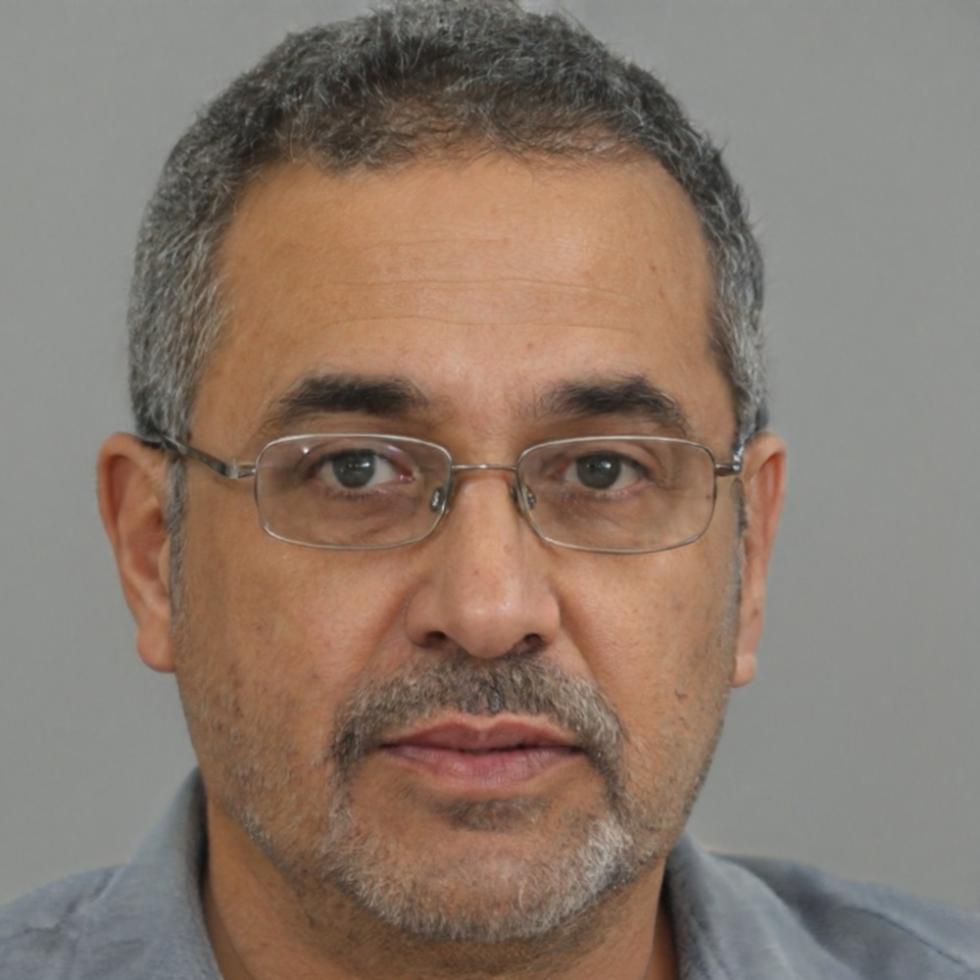
Spent nine years in game-ready character production before moving to education. Oskar's lectures focus on deformation quality and the reasoning behind constraint setups — not just the steps, but why those steps produce better results at export.
Mirra covers high-poly sculpt workflows and the retopology decisions that follow. Her sessions examine the tradeoffs between clean edge flow and polygon economy.

Caius handles the final presentation stage — skin shaders, cloth materials, and render settings that hold detail without blowing out in compositing.
Live critique sessions, monthly
What sessions look like
Each lecture follows a set structure: concept walkthrough, tool demonstration, a worked example with common errors called out, then an open Q&A segment. Recordings stay accessible after broadcast.
How we think about teaching
Specificity over breadth
Fewer topics covered more thoroughly. A lecture on blend shape correction is worth more than a survey of all deformation methods without depth.
Error-forward instruction
Mistakes are examined in the lecture, not edited out. Seeing where topology collapses under deformation teaches more than watching a perfect result appear.
Open access across regions
Lectures are designed for asynchronous viewing, with captions and timestamped chapters. Someone in a slow-connection environment gets the same material as anyone else.